Semaglutide vs Tirzepatide: Which GLP-1 Is Right for You?
One targets a single hunger hormone, the other targets two. The first head-to-head trial finally settled how much that difference is worth.
Medically reviewed by a US-licensed, board-certified medical provider
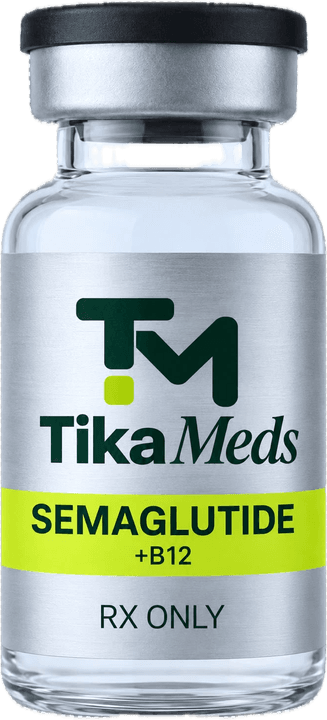
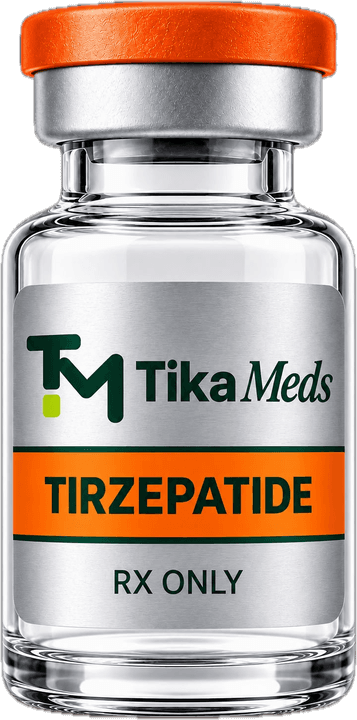
The short answer: tirzepatide produces more weight loss on average. In the first trial to compare the two drugs directly, people on tirzepatide lost 20.2% of their body weight over 72 weeks, against 13.7% on semaglutide. Semaglutide is still a genuinely effective medication with a longer track record and a lower price, and for a lot of people it is the better starting point. The right choice depends on how much weight you are trying to lose, how your body handles the first few months, and what you want to spend.
The two drugs work differently
Both medications imitate hormones your gut already releases after a meal. Those hormones slow how fast your stomach empties, tell your brain you are full, and steady your blood sugar. The practical effect is the one patients describe most often: the constant background chatter about food gets quiet.
Semaglutide targets one of those hormone pathways, GLP-1. It is the active ingredient in Ozempic® and Wegovy®, and it is the molecule most of the public associates with this category.
Tirzepatide targets two, GLP-1 and GIP. It is the active ingredient in Mounjaro® and Zepbound®. Adding the second pathway appears to improve how the body handles fat and sugar on top of the appetite effect, which is the leading explanation for the gap in results.
What the head-to-head trial actually found
Until recently the comparison was guesswork, because the two drugs had only been tested against placebo in separate trials with different participants. SURMOUNT-5, published in the New England Journal of Medicine in July 2025, put them against each other: adults with obesity and without type 2 diabetes, randomly assigned to the maximum tolerated dose of one drug or the other, once weekly for 72 weeks.
| Outcome at 72 weeks | Semaglutide | Tirzepatide |
|---|---|---|
| Average body weight lost | 13.7% | 20.2% |
| Lost 10% or more of body weight | 66.7% | 87.7% |
| Lost 15% or more of body weight | 45.0% | 71.7% |
| Stopped treatment over stomach side effects | 5.6% | 2.7% |
Two things stand out. The first is the size of the gap: 6.5 percentage points of body weight, which for a 220 pound starting weight is roughly 14 pounds of difference. The second is that tirzepatide did not buy that result with worse tolerability. Fewer people quit tirzepatide over digestive side effects than quit semaglutide.
Side by side
| Semaglutide | Tirzepatide | |
|---|---|---|
| Hormone pathways targeted | GLP-1 | GLP-1 and GIP |
| Brand versions | Ozempic®, Wegovy® | Mounjaro®, Zepbound® |
| Formats we offer | Weekly vial, weekly prefilled pen, daily tablet | Weekly vial, weekly prefilled pen, daily tablet |
| Typical trial weight loss | About 15% | About 20% or more |
| Track record in weight management | Longer | Shorter but strong |
| Monthly cost | Lower | Higher |
| Usually the better fit when | You are new to GLP-1 treatment, have a moderate goal, or are cost sensitive | You have a larger goal, a higher starting BMI, or semaglutide stalled |
Do the side effects differ?
Not by much, and not in the way most people expect. Both drugs cause the same family of digestive side effects: nausea, constipation, diarrhea, and reflux, concentrated in the first weeks and around each dose increase. Both are titrated the same way, starting at a low dose and stepping up slowly so your body adapts.
The trial data slightly favors tirzepatide on tolerability, with fewer participants discontinuing over digestive symptoms. In practice the bigger variable is not which molecule you take, it is how patiently the dose is increased. We cover the full picture in GLP-1 side effects: what to expect and how to get ahead of them.
How to choose
A provider makes this call with your full health history in front of them, but these are the patterns that come up most:
- Start with semaglutide if your goal is in the 20 to 40 pound range, you have never taken a GLP-1, or the monthly cost is the deciding factor. It is effective, well understood, and the cheaper entry point.
- Start with tirzepatide if you are aiming to lose 50 pounds or more, your BMI is 35 or higher, or you want the strongest option available and the cost works for you.
- Switch to tirzepatide if you have been on semaglutide at a full dose for several months and your weight has genuinely plateaued rather than just slowed.
- Let tolerability decide if you have a sensitive stomach. Either drug can be restarted at a lower dose, and a slower climb usually solves more than a change of molecule.
Whichever you choose is not a one-way door. Dose and medication both get adjusted over time as your body changes, which is the entire point of having a provider rather than a subscription box.
Injection, tablet, or pen?
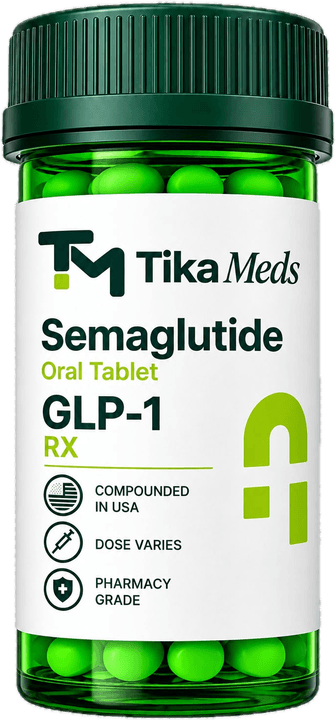
Both molecules come in three formats here, and the format is a separate decision from the molecule. The weekly vial is the most economical. The prefilled pen removes the measuring step: you dial your dose and inject. The daily tablet removes needles altogether, with some trade-offs we go through in oral GLP-1 vs injection.
Getting started
Eligibility generally starts at a BMI of 27 or higher, or 25 or higher with a weight-related condition such as high blood pressure, prediabetes, or sleep apnea. Our 2-minute eligibility quiz checks that and suggests which molecule fits your goal, and a US-licensed provider reviews your history before anything is prescribed. You can also compare all six treatments on the treatments page.
Common questions
Is tirzepatide better than semaglutide?+
For average weight loss, yes. In the SURMOUNT-5 head-to-head trial, tirzepatide produced 20.2% average body weight loss over 72 weeks compared with 13.7% for semaglutide, and fewer people stopped tirzepatide because of digestive side effects. Semaglutide remains highly effective, costs less per month, and has a longer track record, so it is often the better place to start.
Can I switch from semaglutide to tirzepatide?+
Yes. Switching is common when weight loss on a full semaglutide dose has genuinely plateaued. Your provider restarts you at a low tirzepatide dose rather than matching strength, so your body re-adjusts gradually. Never switch or stack medications on your own.
Which one has worse side effects?+
They share the same side effect profile: nausea, constipation, diarrhea, and reflux, mostly in the first weeks and after each dose increase. In the head-to-head trial, 5.6% of semaglutide participants stopped over digestive side effects compared with 2.7% on tirzepatide. How slowly the dose is increased matters more than which drug you take.
How fast does each one work?+
Most people notice reduced appetite within the first one to two weeks, but early doses are deliberately too low to drive much weight loss. Meaningful change usually shows up between weeks 8 and 12, once you have stepped up to a therapeutic dose, and trial results are measured at 68 to 72 weeks.
Do I need a prescription for either one?+
Yes. Both are prescription-only medications in the United States. A prescription is issued only if a licensed provider reviews your health history and determines that treatment is appropriate for you.
Sources
- 1.Aronne LJ et al. Tirzepatide as Compared with Semaglutide for the Treatment of Obesity. New England Journal of Medicine, 2025 (SURMOUNT-5)
- 2.American College of Cardiology. SURMOUNT-5: Greater Loss of Weight, Waist Circumference With Tirzepatide Than Semaglutide
- 3.Jastreboff AM et al. Tirzepatide Once Weekly for the Treatment of Obesity. New England Journal of Medicine, 2022 (SURMOUNT-1)
- 4.Wilding JPH et al. Once-Weekly Semaglutide in Adults with Overweight or Obesity. New England Journal of Medicine, 2021 (STEP 1)
This article is general health information, not medical advice, and does not create a provider-patient relationship. Compounded medications are prepared by state-licensed, FDA-regulated pharmacies. Compounded drugs are not FDA-approved and have not been evaluated by the FDA for safety, effectiveness, or quality. A prescription is required and is issued only if a licensed provider determines treatment is appropriate for you. Results vary by individual.
See if you qualify
Answer a few questions and a US-licensed, board-certified provider reviews your health history. There is no charge unless you are prescribed.
Keep reading

GLP-1 Side Effects: What to Expect, and How to Get Ahead of Them
Most GLP-1 side effects are digestive, front-loaded into the first weeks, and largely manageable. Here is the timeline and the fixes that work.
Oral GLP-1 vs Injection: Do the Tablets Actually Work?
A daily tablet now reaches weight loss numbers that sit alongside weekly injections. The trade-off is not effectiveness, it is the timing rules.